Local Green Spaces
Local Green Spaces (LGS) that are of demonstrable importance to local communities can be designated and protected from development.
The National Planning Policy Framework (NPPF) Section 8 provides guidance for local green space designation. Relevant paragraphs concerning LGS Designation are as follows:
Para 105. The designation of land as Local Green Space through local and neighbourhood plans allows communities to identify and protect green areas of particular importance to them. Designating land as Local Green Space should be consistent with the local planning of sustainable development and complement investment in sufficient homes, jobs and other essential services. Local Green Spaces should only be designated when a plan is prepared or updated, and be capable of enduring beyond the end of the plan period.
Para 107.The Local Green Space designation should only be used where the green space is:
a) in reasonably close proximity to the community it serves;
b) demonstrably special to a local community and holds a particular local significance, for example because of its beauty, historic significance, recreational value (including as a playing field), tranquillity or richness of its wildlife; and
c) local in character and is not an extensive tract of land.
Para 108. Policies and decisions for managing development within a Local Green Space should be consistent with national policy for Green Belts set out in chapter 13 of this Framework.
National Policy makes clear that blanket designation of all green space is not appropriate. Proposed designations must be supported by evidence that the green area is special to the local community. National Policy and Practice Guidance outlines some examples of what green areas can be identified as LGS and also sets out a series of exceptions where designating a LGS would not be appropriate – these were outlined in the local plan spring 2024 options document and are not repeated here.
In line with national policy, the council’s adopted Local Plan (the Placemaking Plan) designated LGS and included a policy protecting them from development that would prejudice their role as a LGS unless very special circumstances can be demonstrated.
As the LGS designation is linked to community value which must be demonstrated, the council has sought community nominations for spaces that should be designated and protected from development.
Following a nominations process in the spring 2024 options document we proposed to designate 26 new LGS. We consulted on these proposed new LGS, as well as the nominated sites not proposed to be designated. In addition, as part of the spring 2024 consultation we provided an opportunity to nominate additional sites for LGS designation.
Through the spring 2024 options consultation and in addition to comments on the proposed LGS designations and those nominated spaces not proposed to be designated, three new nominations had been received.
The new nominations have been assessed against the NPPF and PPG criteria for LGS with recommendations set out. It is proposed that the three nominated sites should be designated as LGS. Further information on their nomination, reasons why they are proposed to be designated are set out in an updated version of the Local Green Spaces Assessment Topic Paper.
The three new spaces now proposed to be designated as LGS are set out below and comments invited on them. The landowner of the two sites in Bath is B&NES Council and the landowner of the site in Nempnett Thrubwell is not currently known.
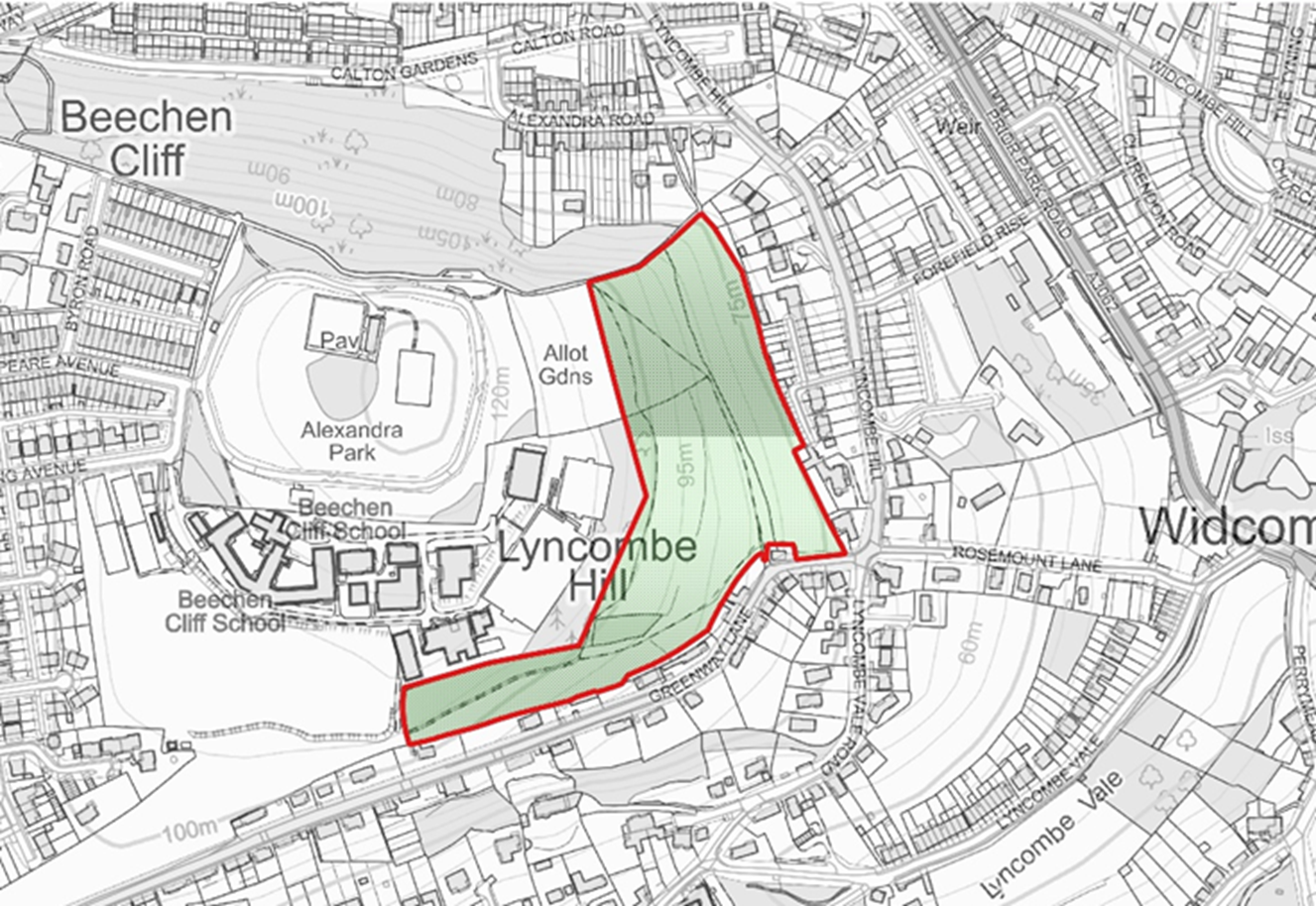
Proposed new Local Green Space – Lyncombe Hill Fields (Widcombe and Lyncombe Ward)
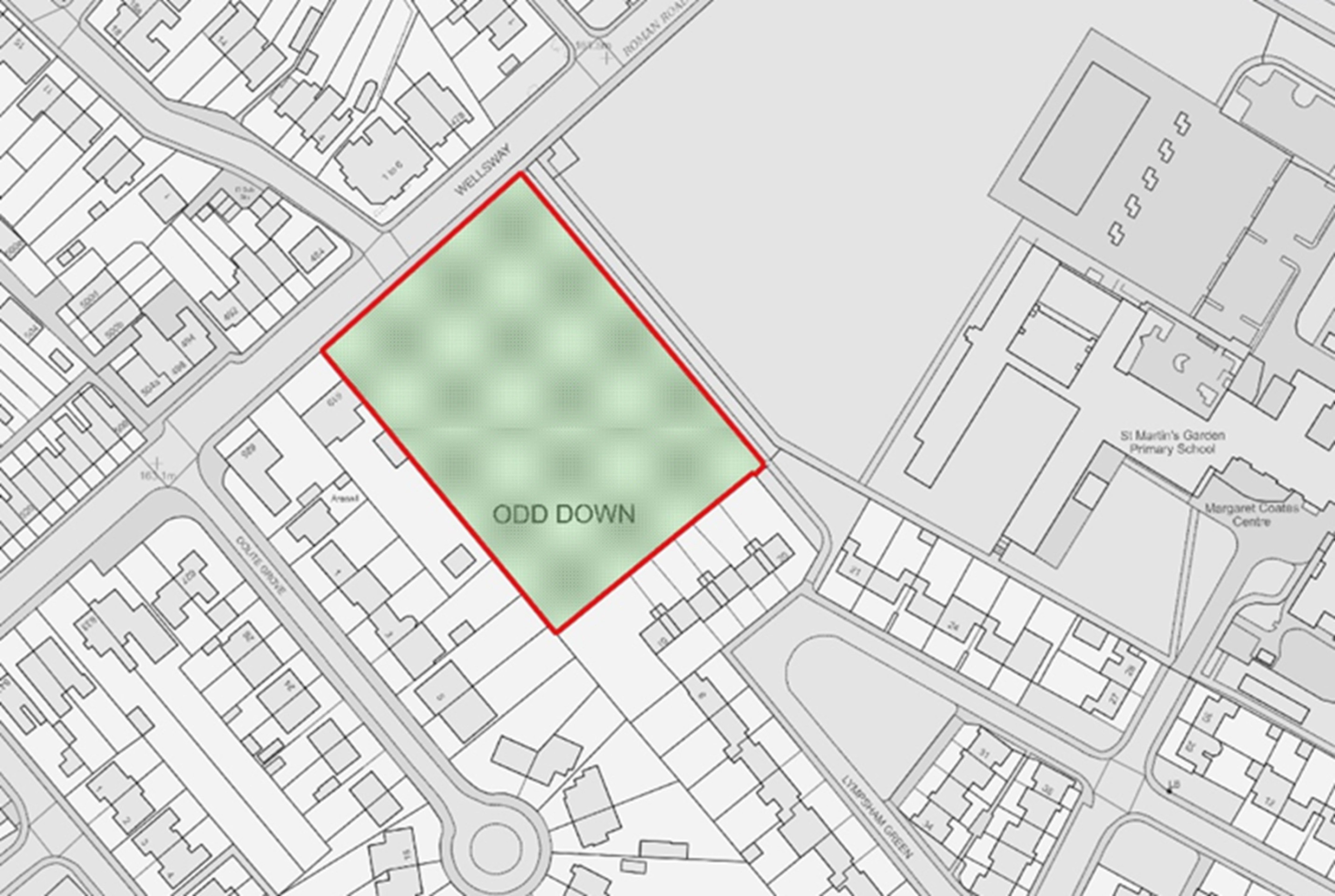
Proposed new Local Green Space – Workhouse Burial Ground (Odd Down Ward)
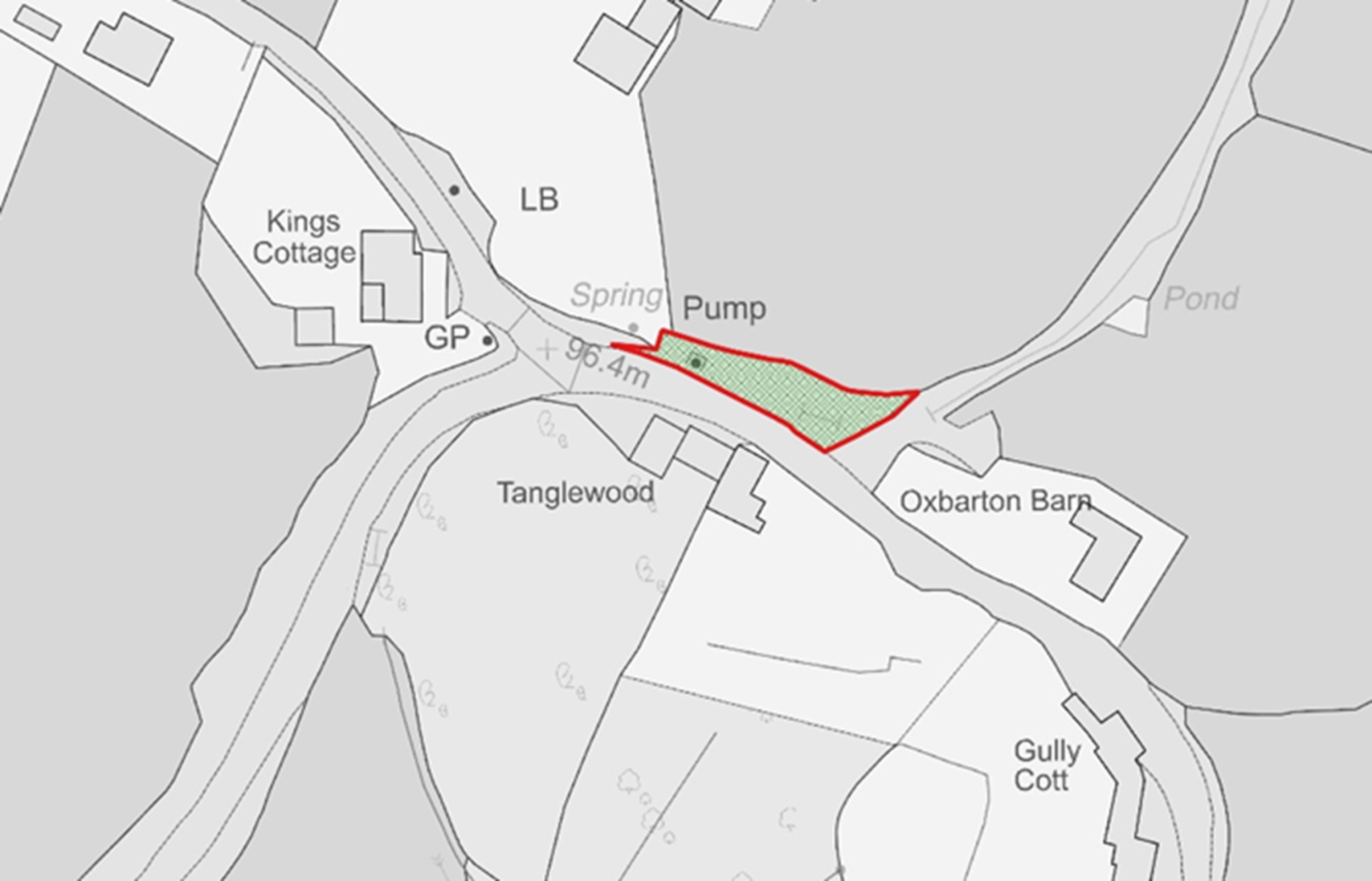
Proposed new Local Green Space – Land adjacent to Village Pump (Nemptnett Thrubwell)
Two previously nominated sites were rejected and decided not to be proposed for designation as LGS. As these sites and the reasons for not designating them have already been subject to consultation it is not necessary to re-consult on them as part of this options consultation. However, in light of additional evidence minor updates are set below confirming that the two sites in question will continue to be considered for potential designation in preparing the Draft Local Plan.
Combe Down Allotments
This nominated site was proposed not to be designated as a LGS in the spring 2024 options consultation because of conflict with an adopted local plan minerals designation and policy.
NPPF December 2024 outlines policies and decisions for managing development within a Local Green Space should be consistent with national policy for Green Belts set out in chapter 13.
Development in the Green Belt is inappropriate unless exceptions apply. One such exception is set out under Paragraph 154 h) which amongst other things notes that provided development such as minerals extraction and engineering operations preserves the openness and do not conflict with the purposes of including land within the Green Belt.
Given the above, further consideration of the nomination of the Combe Down Allotments as a Local Green Space and its relationship with the minerals designation and policy will take place in preparing the Draft Local Plan.
Bath Rugby Playing Fields/Lambridge Wildlife Haven, Lambridge
At the time of the 2024 options consultation a live planning application (Reference: 23/02212/FUL) was under consideration. Planning Practice Guidance notes amongst other things that it will rarely be appropriate to designate Local Green Space where the land has planning permission for development. Exceptions could be where the development would be compatible with the reasons for designation or where planning permission is no longer capable of being implemented.